Understanding inflammation and infection in dairy cow uterine health
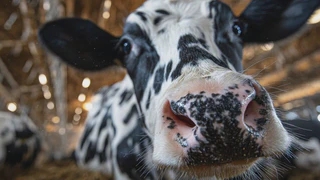 Source: Adobe Stock; Copyright: Bundi; License: Standard
Investigating the interplay between infection and inflammation after calving to optimize intrauterine cephapirin treatment and improve reproductive outcomes.
Team
- José Denis-Robichaud (principal investigator)
- Jocelyn Dubuc (collaborator)
- Nicolas Barbeau-Grégoire (graduate student)
- Marie-Lou Gauthier (collaborator)
- Jean-Philippe Pelletier (animal health technician)
- Jean-Philippe Roy (collaborator)
- Juan Carlos Arango Sabogal (collaborator)
- Pablo Valdes Donoso (collaborator)
In brief
After calving, dairy cows commonly experience bacterial contamination of the uterus, but not all cases lead to clinical disease. The relationship between infection (presence of bacteria) and inflammation (the cow’s immune response) is complex and varies among individuals. This project seeks to better understand how these factors interact and affect uterine health and fertility. By clarifying the role of inflammation versus infection, we aim to identify which cows are most likely to benefit from intrauterine treatment with cephapirin. This approach will help refine treatment protocols, promote more judicious use of antimicrobials, and ultimately improve reproductive performance in dairy herds.
Funding
- MAPAQ/Ministère de l’Agriculture, des Pêcheries et de l’Alimentation
Innovation bioalimentaire - Volet 2: Recherche appliquée, développement expérimental et adaptation technologique - Merck Animal Health